America’s Biggest Dealers Are Betting Big On These Car Brands. Here’s What They Think
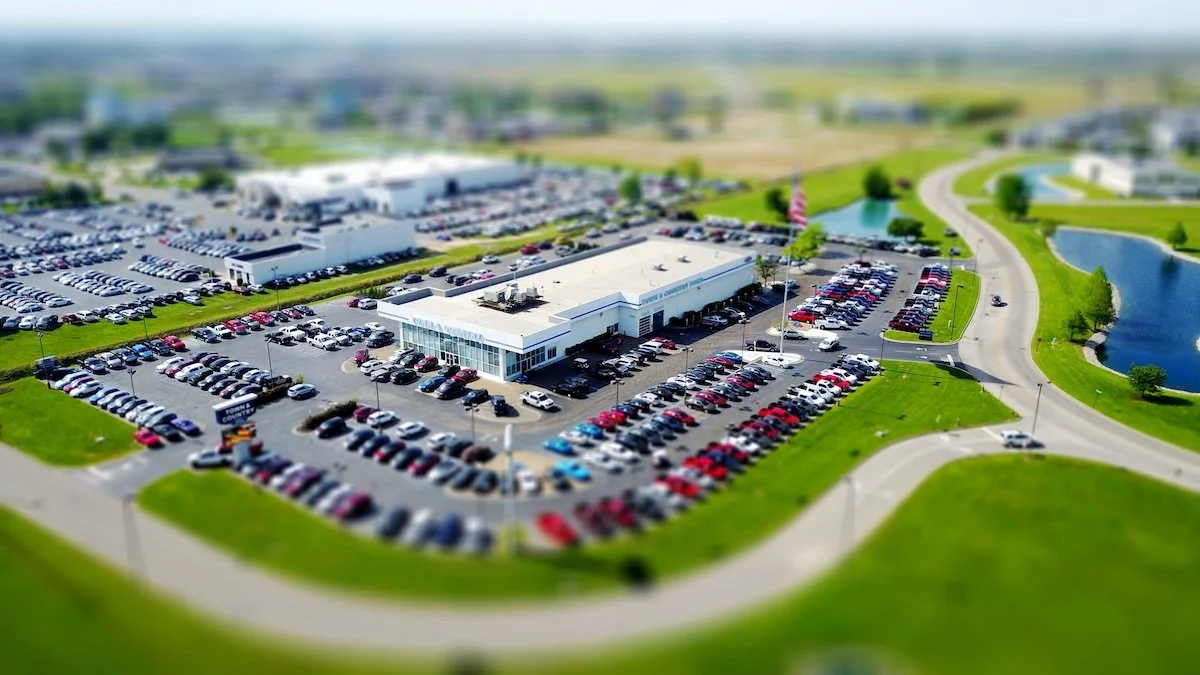
(David McBee photo/Pexels)
THE CAR COLLECTIVE | August 27, 2026
Forget the showroom floor for a moment. If you want to know which automotive brands really matter, follow the money, or more specifically, follow the people writing the biggest checks: America’s largest dealership groups. They are making increasingly deliberate bets on the franchises they want in their portfolios. And their choices tell us something about the desirability of the products they sell, not simply today, but years down the road. According to The Haig Report, the question is which franchises are worth owning and what that says about the cars and trucks consumers most want to buy.
Here is what dealers and dealership buy-sell advisors Haig Partners say about different automotive brands.
Acura
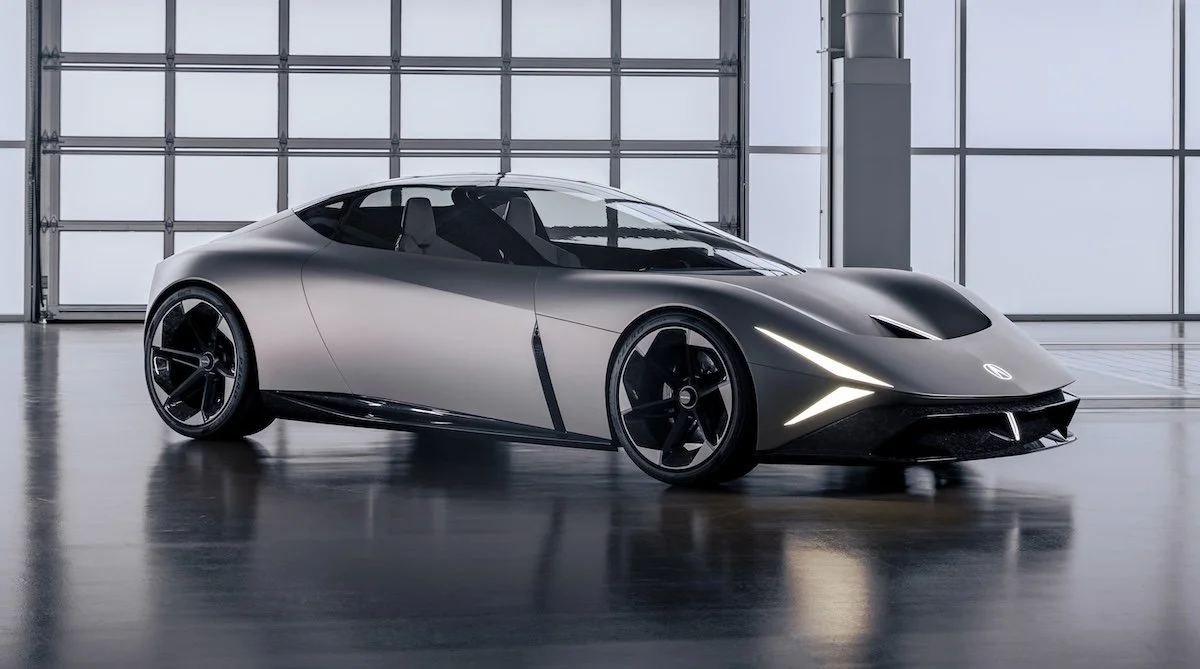
Acura Nexera Concept (Acura photo)
“Acura products remain reliable and customers are loyal, but the dealer body is frustrated. The biggest issue is not quality, but differentiation. Dealers say Acura is not distinct enough from Honda on the low-end or from stronger luxury competitors on the high-end.”
Audi
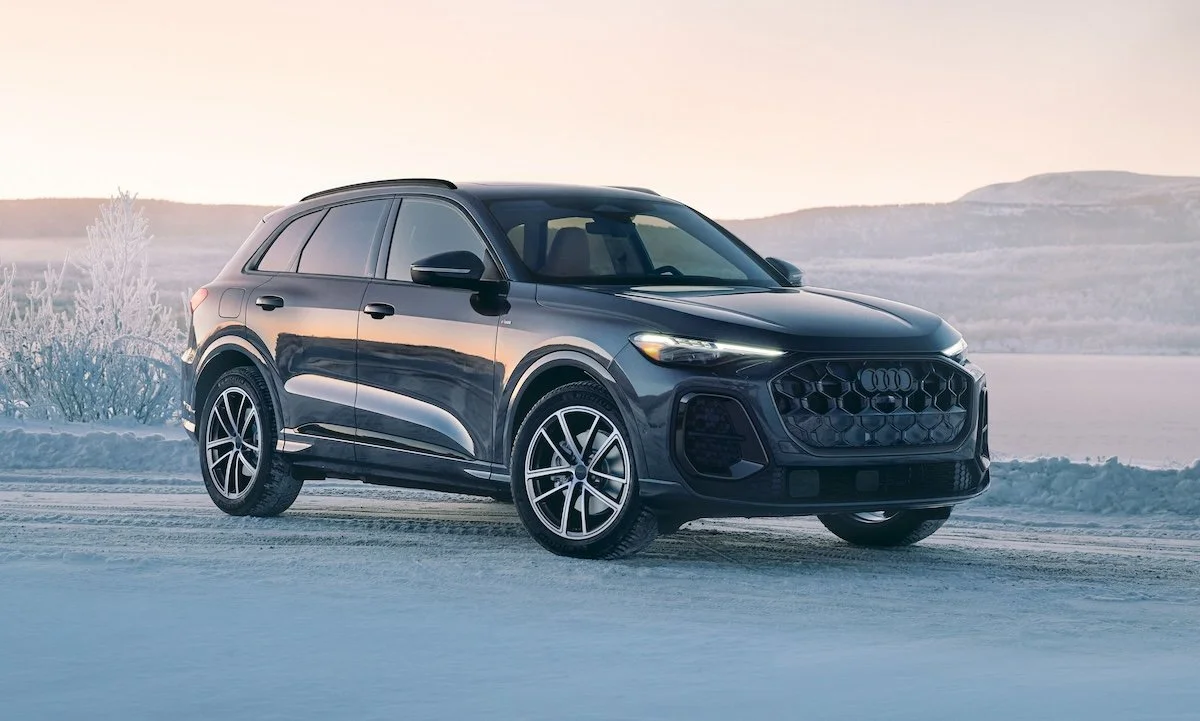
Audi Q5 (Audi photo)
“Audi is not broken, but it is still working through a difficult product cycle. … Still, Audi has loyal customers, a global luxury reputation and a factory that appears more engaged than it has been in years."
BMW
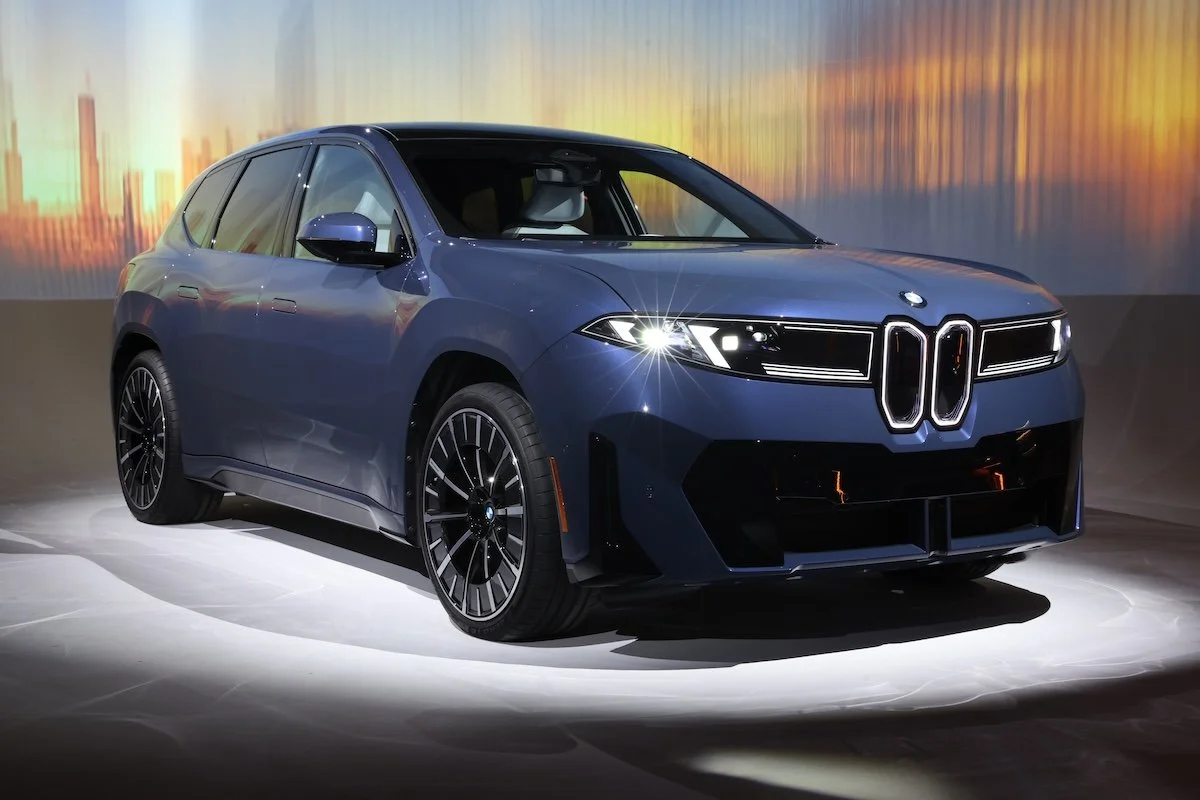
BMW iX3 (BMW photo)
“The tone from dealers is steady and positive. … The next product cycle is a growing source of excitement. BMW’s Neue Klasse rollout begins with the fully electric iX3, and BMW has said it plans to introduce more than 40 new or updated models by the end of 2027.”
Buick
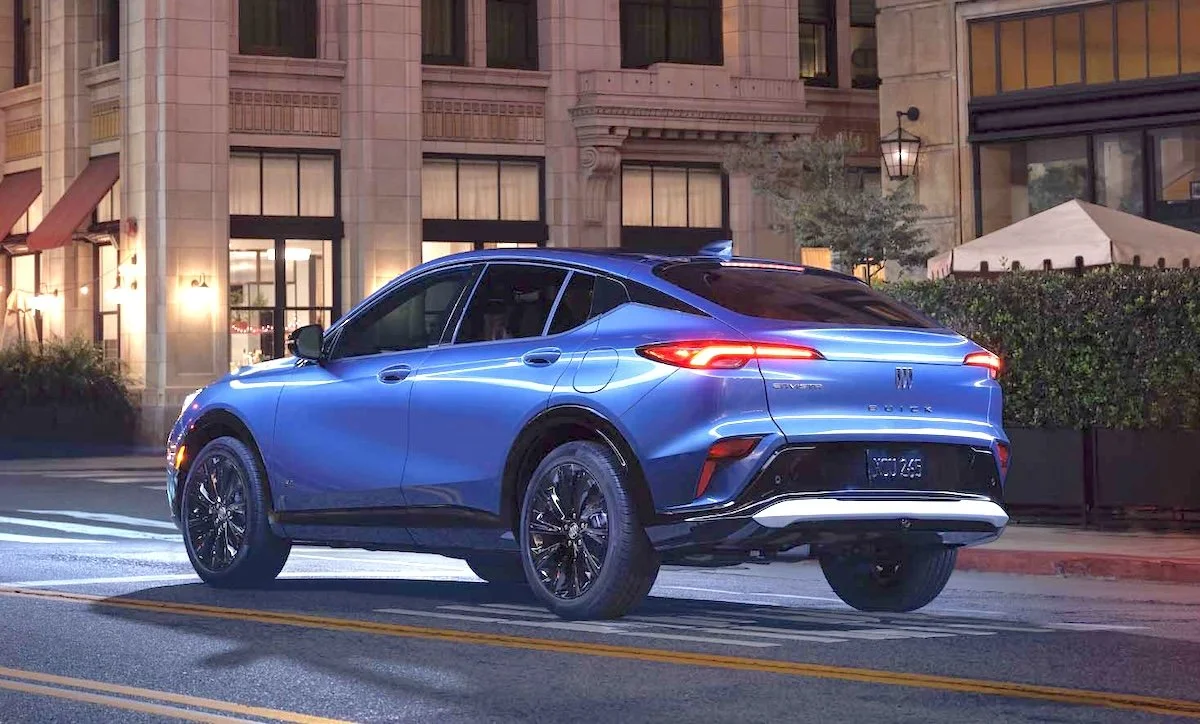
Buick Envista (GM photo)
“Dealers like that Buick is attracting younger buyers, and products such as the Envista and Encore GX have helped bring new customers into the showroom. … (But) GMC is still the profit engine. Dealers continue to demand more large GMC products.”
Cadillac
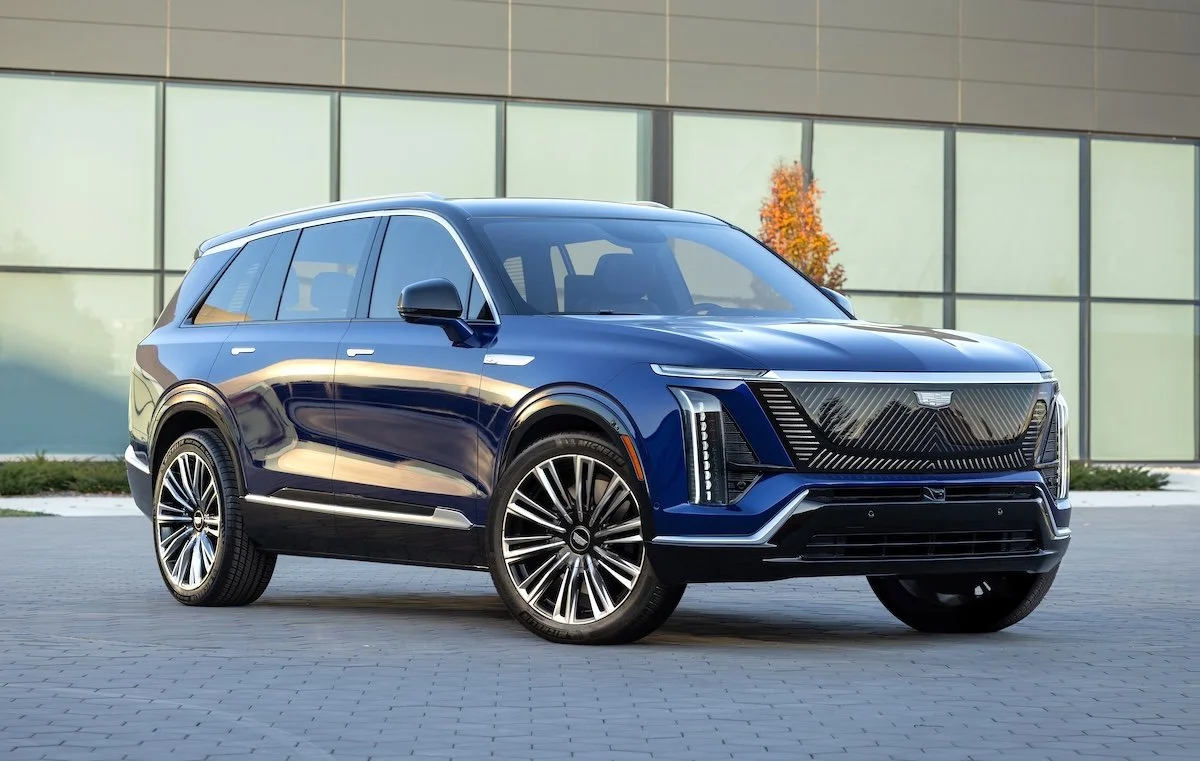
Cadillac Vistiq (GM photo)
“Dealer feedback was negative. Several dealers said they are losing market share because the current lineup is too EV-centric for many of their customers. Cadillac has attractive products, but the brand moved too far into EVs before enough buyers were ready.”
Chevrolet
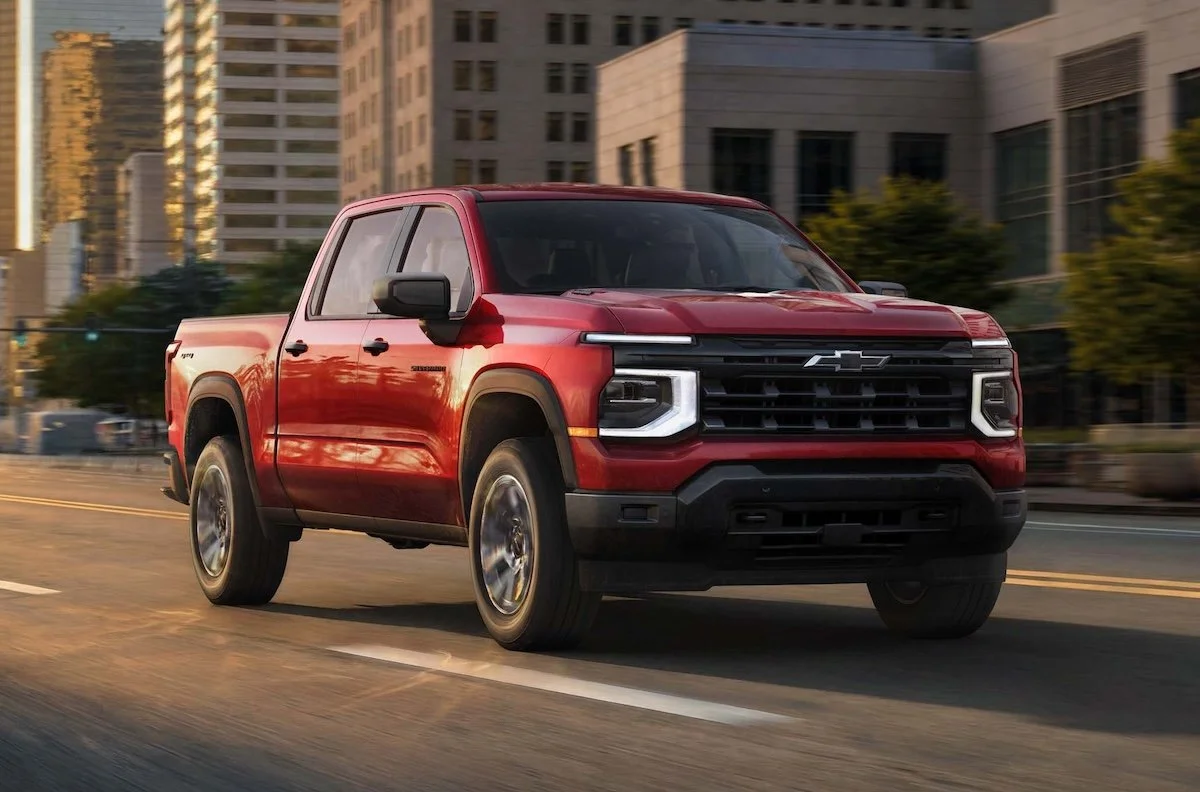
Chevrolet Silverado Custom (GM photo)
“Dealers remain generally positive on the brand. Dealers are pleased that GM has moderated its EV push and appears increasingly willing to listen to what customers want to buy and retailers want to sell. … But many are frustrated by allocation, particularly those in tier two or three markets.”
Chrysler/Dodge/Jeep/Ram
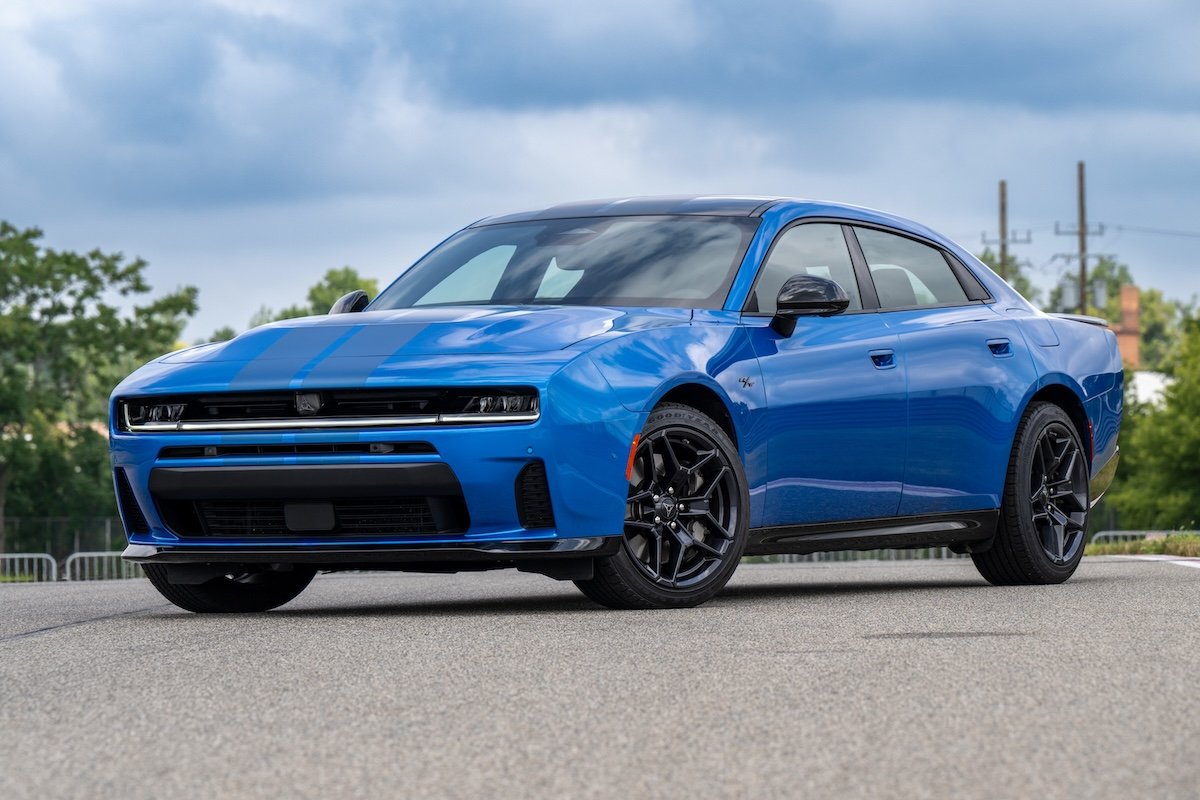
Dodge Charger R/T (Stellantis photo)
“Dealer frustration remains high. Many retailers say product quality is still poor, recalls remain a major issue, and customer relations with the factory continue to be difficult. Several dealers mentioned to us that they have concerns about the reliability of certain CDJR products.”
Ford
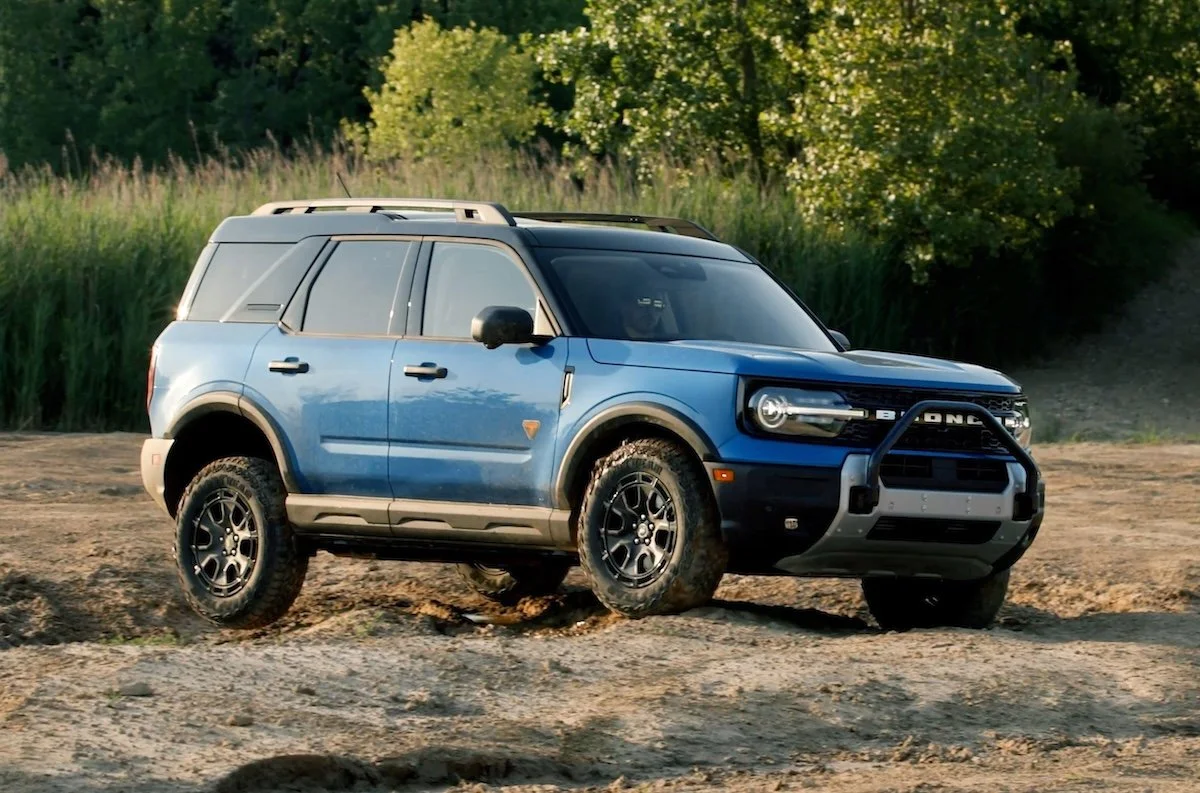
Ford Bronco Sport (Ford photo)
“Dealers are especially frustrated by the compact and midsize crossover gap. Ford has strong brand equity, a massive truck business and loyal customers, but it does not currently have enough affordable, high-volume utility vehicles to meet the market where many buyers are today. … The lineup itself does not give them as many tools as Toyota, Honda, Hyundai, Kia or Subaru.”
Honda
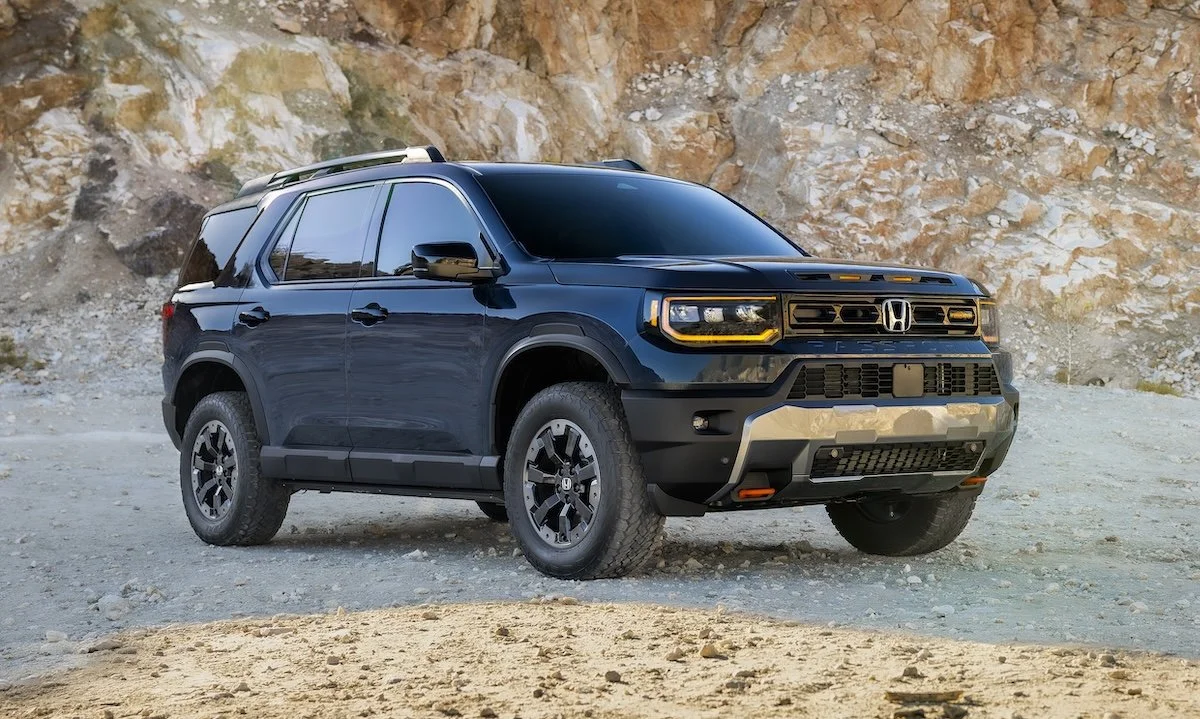
Honda Passport TrailSport (Honda photo)
“Dealers remain highly positive on the franchise. The product lineup is performing, hybrid demand remains strong, global scale helps dilute tariff costs, and leadership appears focused after a sluggish period for the brand.”
Hyundai/Genesis
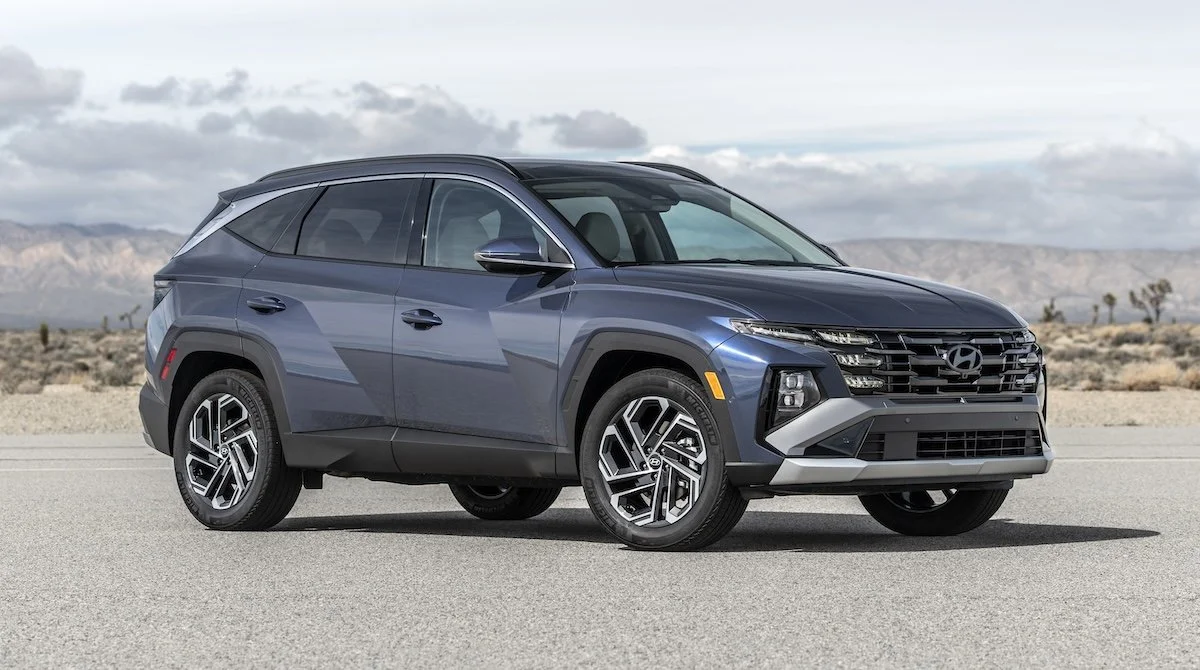
Hyundai Tucson (Hyundai photo)
“Retailers continue to describe Hyundai as difficult to deal with. … Dealers believe Hyundai has a strong product lineup, but they also feel the factory has a way of identifying where margin exists and taking some of it back through programs, requirements or incentive structures.”
Infiniti
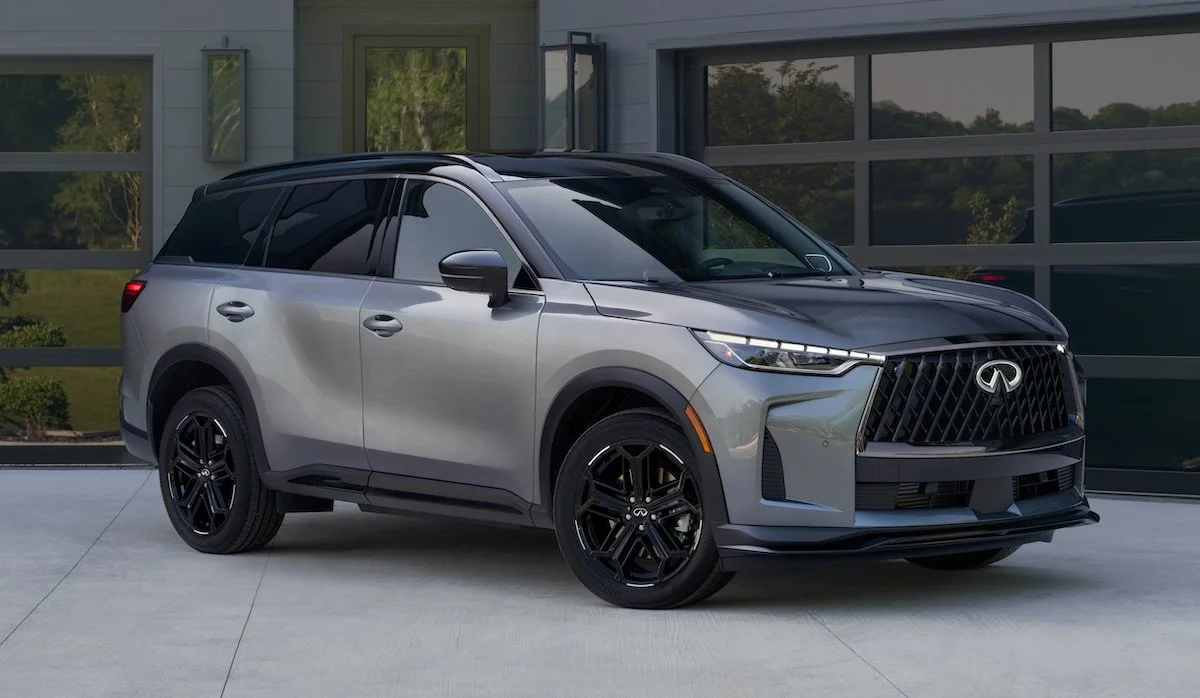
Infiniti QX60 (Infiniti photo)
“The brand still lacks volume, margin and a broad product lineup. Dealers are not calling the franchise healthy yet, but they do see a glimmer of hope. ... (Still,) many stores are still relying heavily on used vehicles and fixed operations (service, parts and collision-repair) to cover overhead.”
Jaguar Land Rover
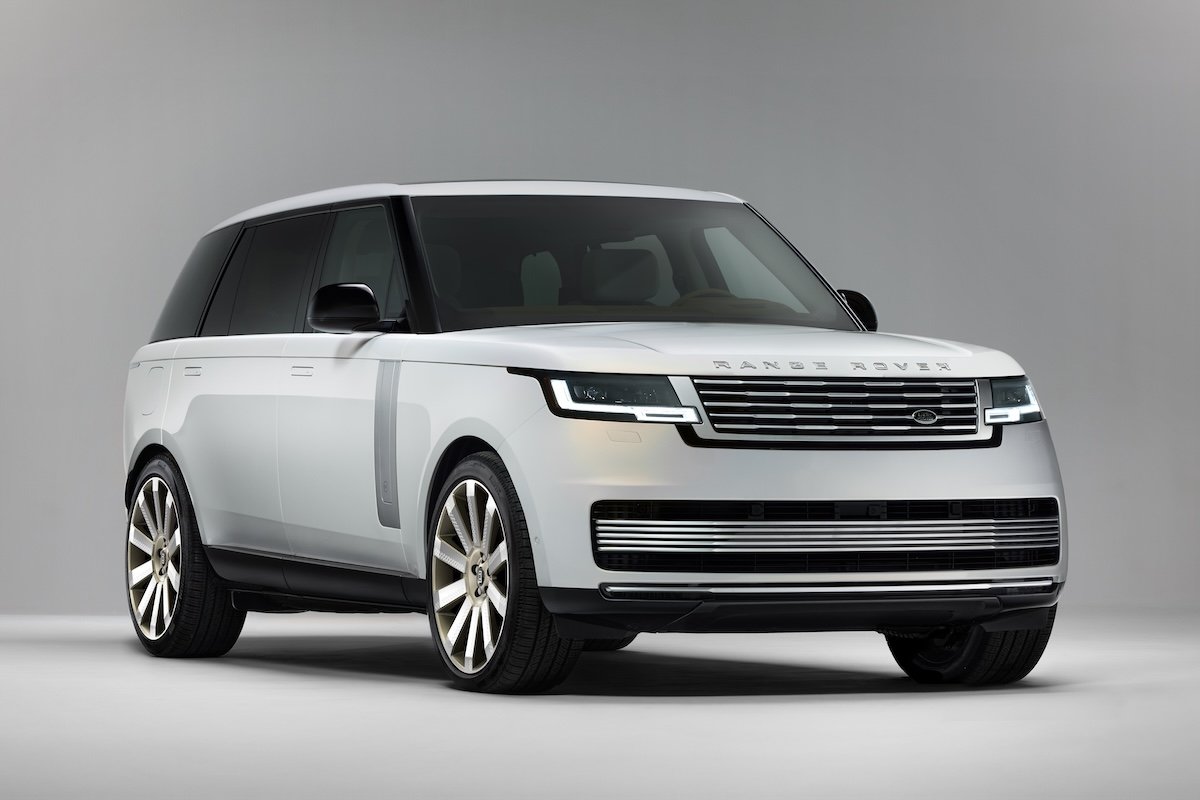
Range Rover (JLR photo)
“Buyers and dealers are still focused on Land Rover, not Jaguar. Range Rover and Defender remain the core of the franchise. … Jaguar remains the unknown and is largely absent.”
Kia
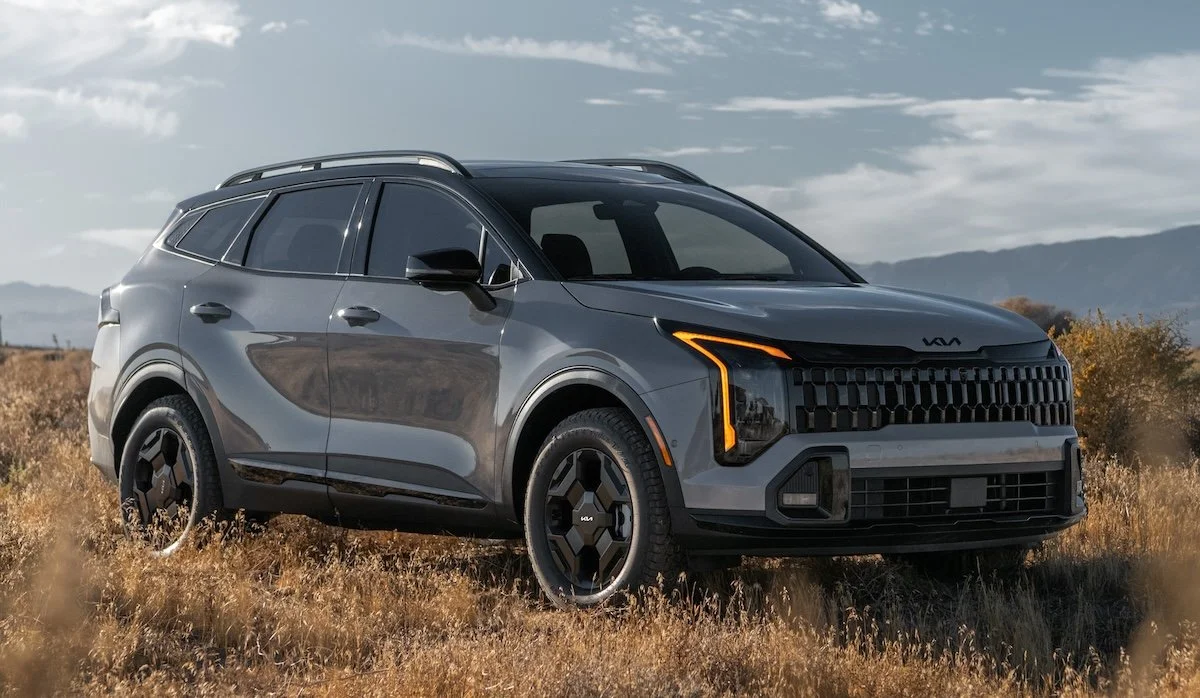
Kia Sportage (Kia photo)
“Dealers generally prefer Kia to Hyundai, not because the product story is dramatically different, but because the factory relationship feels better and the economics are cleaner. … Kia’s products are well-designed, well-priced and improving in quality and customer perception. Dealers are also bullish on the future product plan.”
Lexus
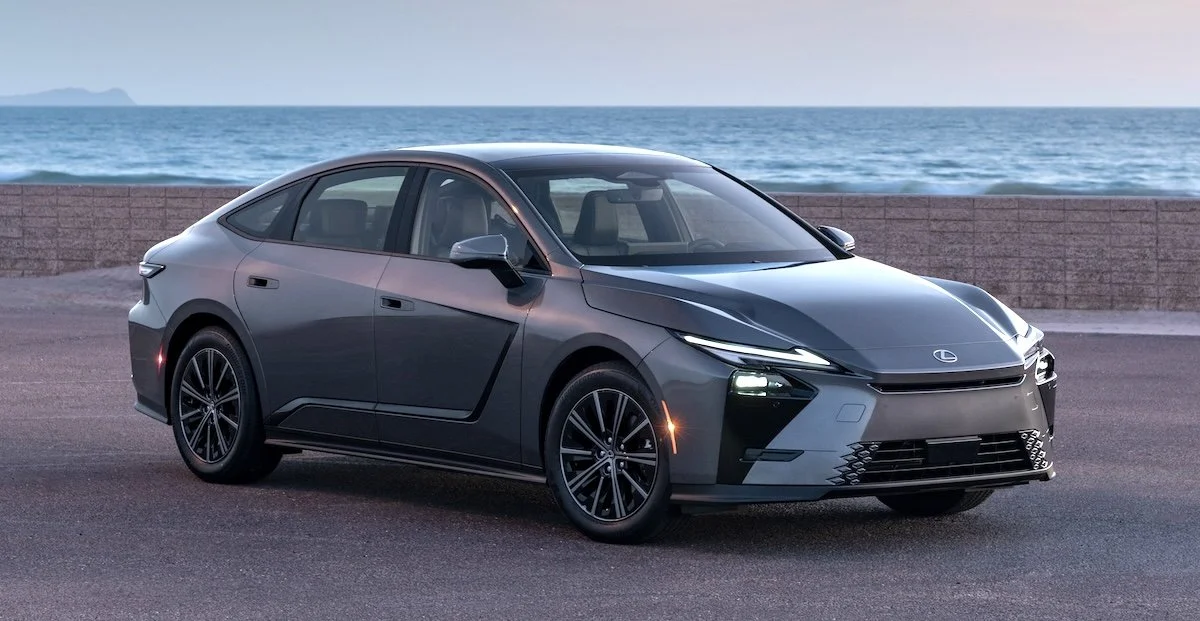
Lexus ES 350h (Toyota photo)
“Dealers remain bullish on the franchise. … Inventory remains extremely tight, and dealers tell us that most Lexus vehicles are turning in two weeks or less.”
Lincoln
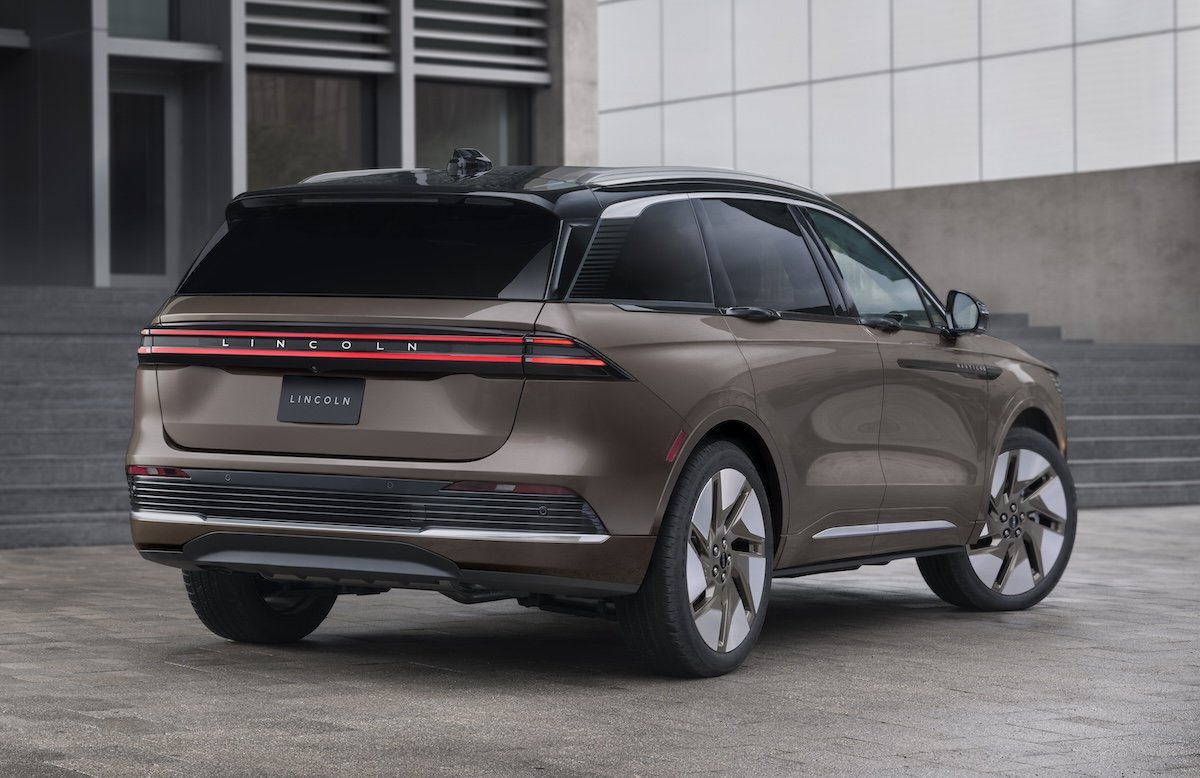
Lincoln Nautilus Black Label (Ford photo)
“Lincoln is essentially operating with three core vehicles: the Nautilus, the Aviator and the Navigator. … Lincoln’s core product challenge is its breadth. A three-vehicle showroom is hard to build around, especially when one of the missing vehicles is the brand’s smaller and more attainable crossover.”
Mazda
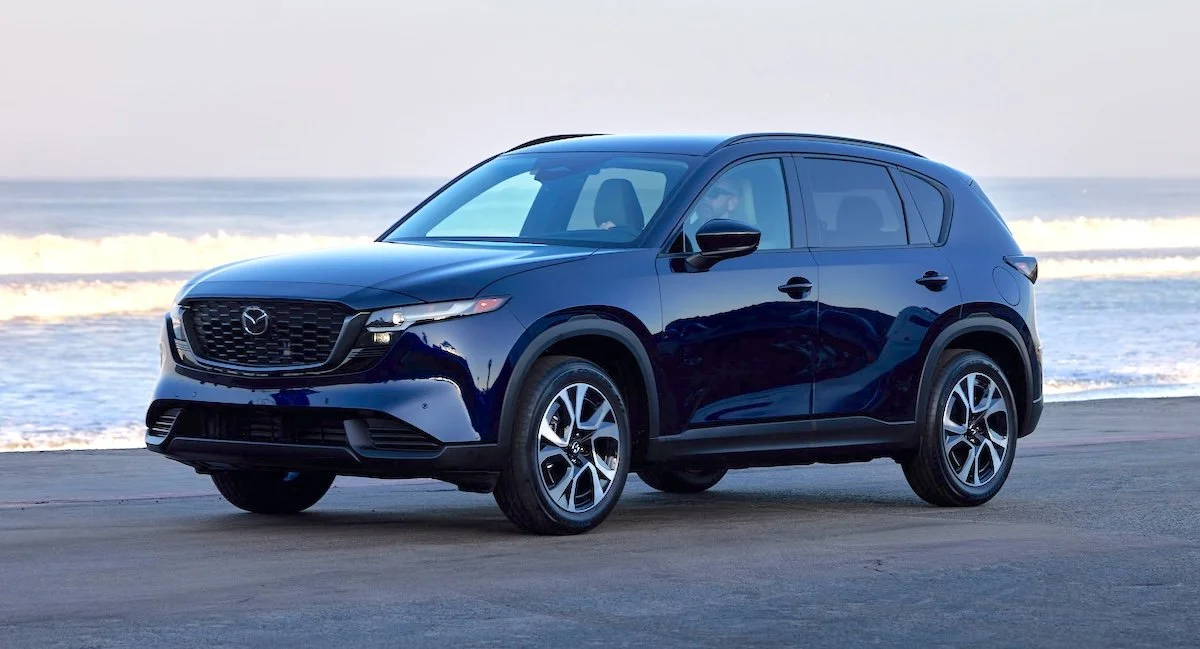
Mazda CX-5 (Mazda photo)
“Dealers are still positive on Mazda. Its products are attractive, designs are well-received, customer loyalty continues to improve. … s(But) the hype around Mazda’s growth story has flattened as the brand works through tariff pressure, tougher competition and the challenges that come with being a smaller OEM.”
Mercedes-Benz
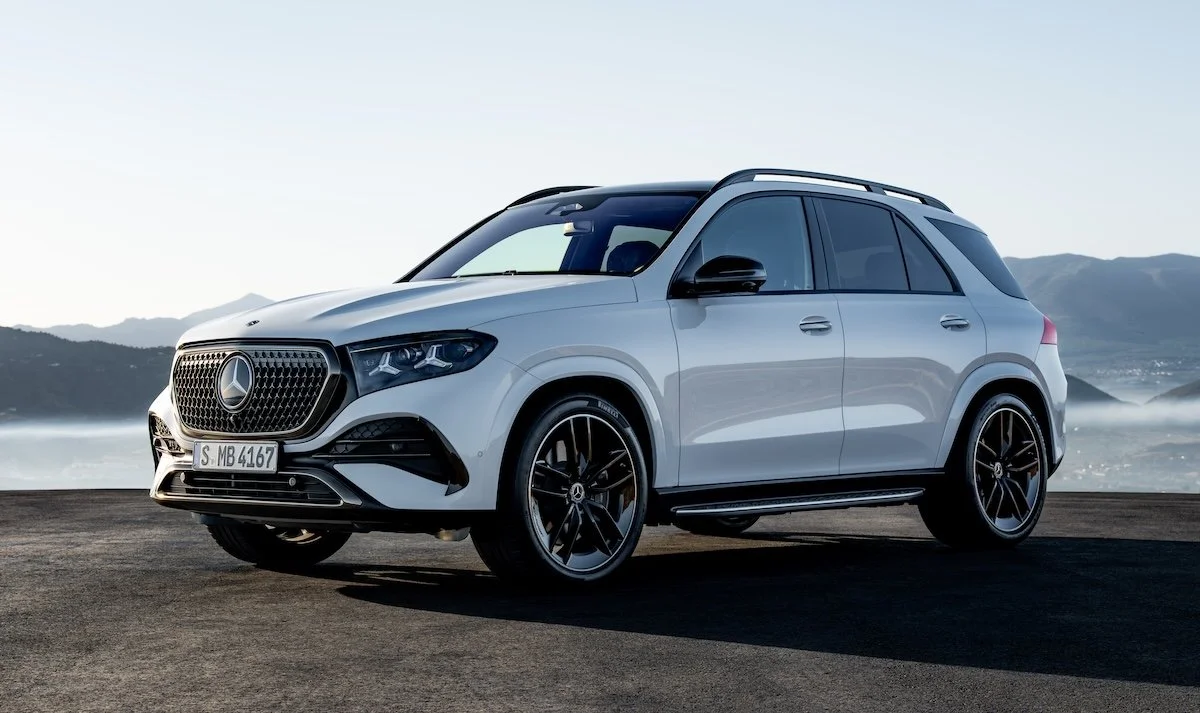
Mercedes-Benz GLE-Class (Mercedes-Benz photo)
“Several dealers told us Mercedes-Benz sits just behind Lexus in terms of desirability. … They continue to view Mercedes-Benz as one of the most desirable luxury franchises in the industry.”
Nissan
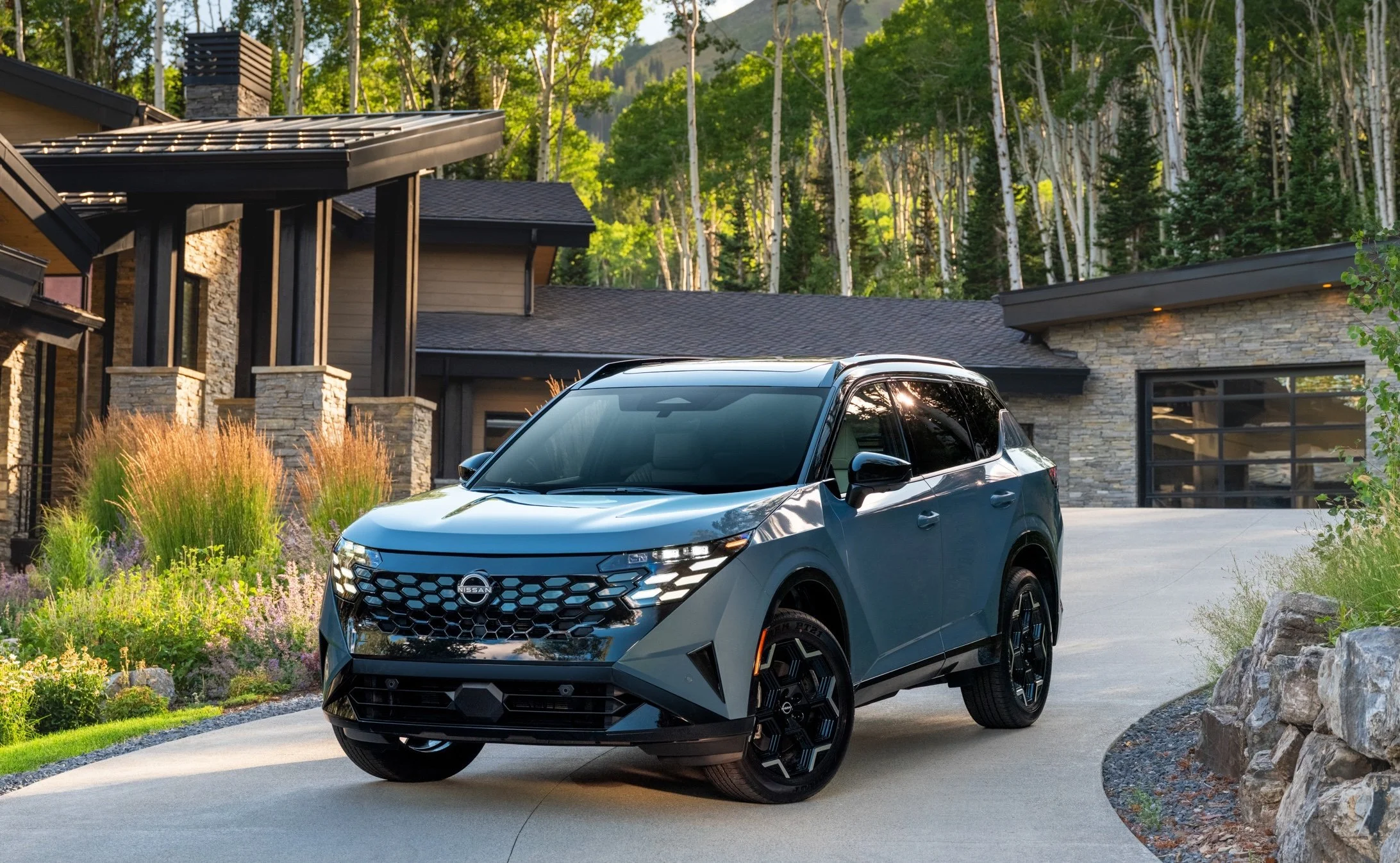
Nissan Rogue Hybrid (Nissan photo)
“Several dealers said Nissan has the best leadership team it has had in many years, and one commented that if this group had been in place seven to ten years ago, Nissan might not be in its current position. That is high praise for a franchise that has tested dealer patience for a long time.”
Porsche
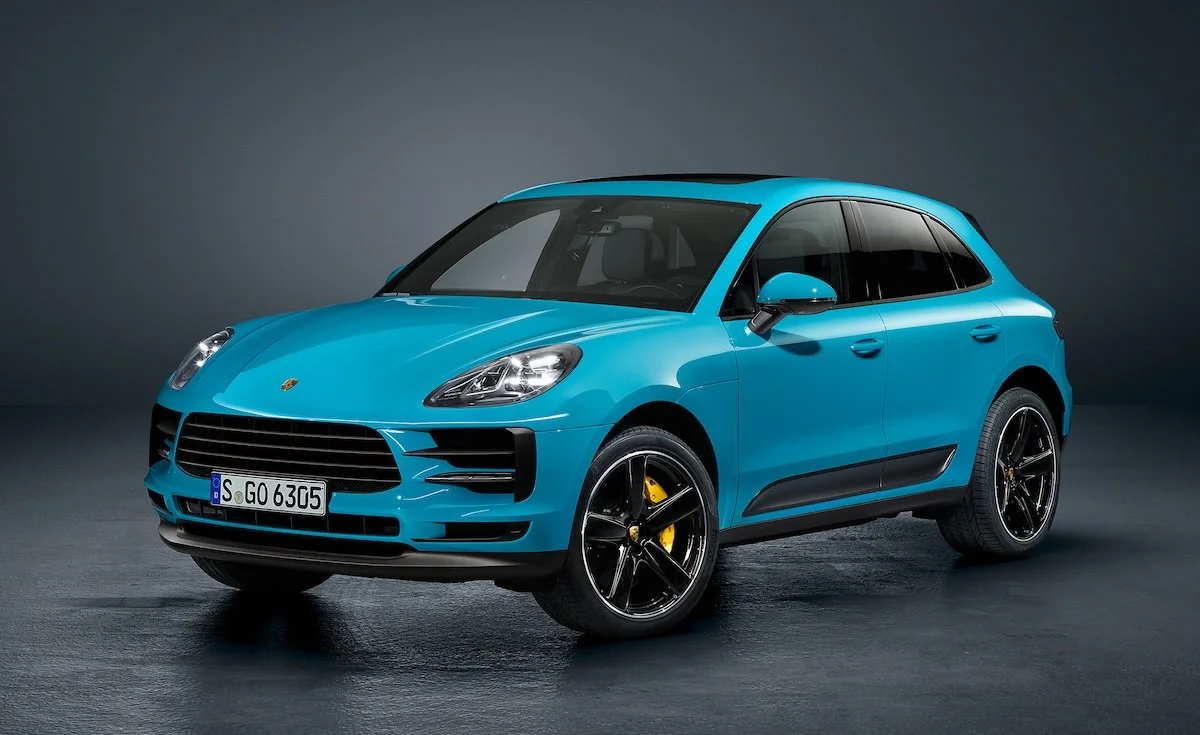
Porsche Macan (Porsche photo)
“Porsche remains a trophy franchise with wealthy, loyal customers, strong brand equity and attractive dealer profitability. … The largest concern remains the brand’s facility requirements, which are among the most expensive in the industry.”
Subaru
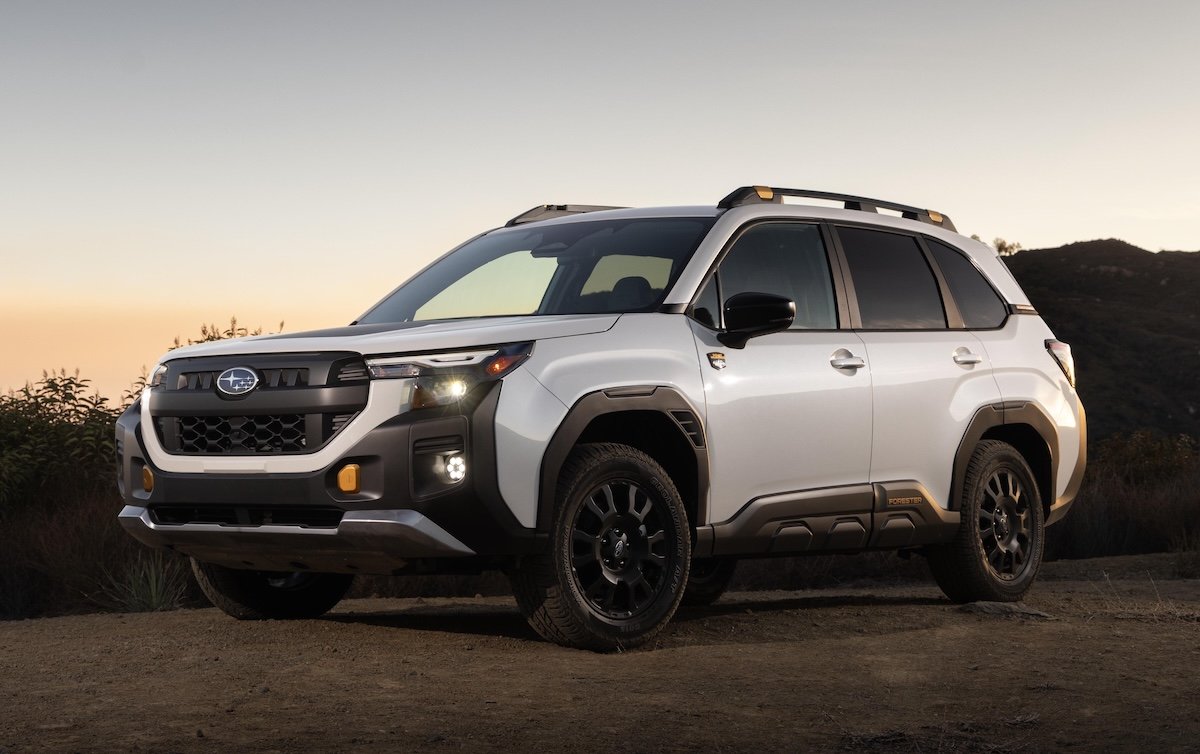
Subaru Forester Wilderness (Subaru photo)
“Dealer sentiment remains positive, although the franchise is significantly more market-dependent than most. Subaru stores in the Northeast, Midwest and mountain or outdoor markets can be exceptional. Dealers in certain Sunbelt markets are less enthusiastic.”
Toyota
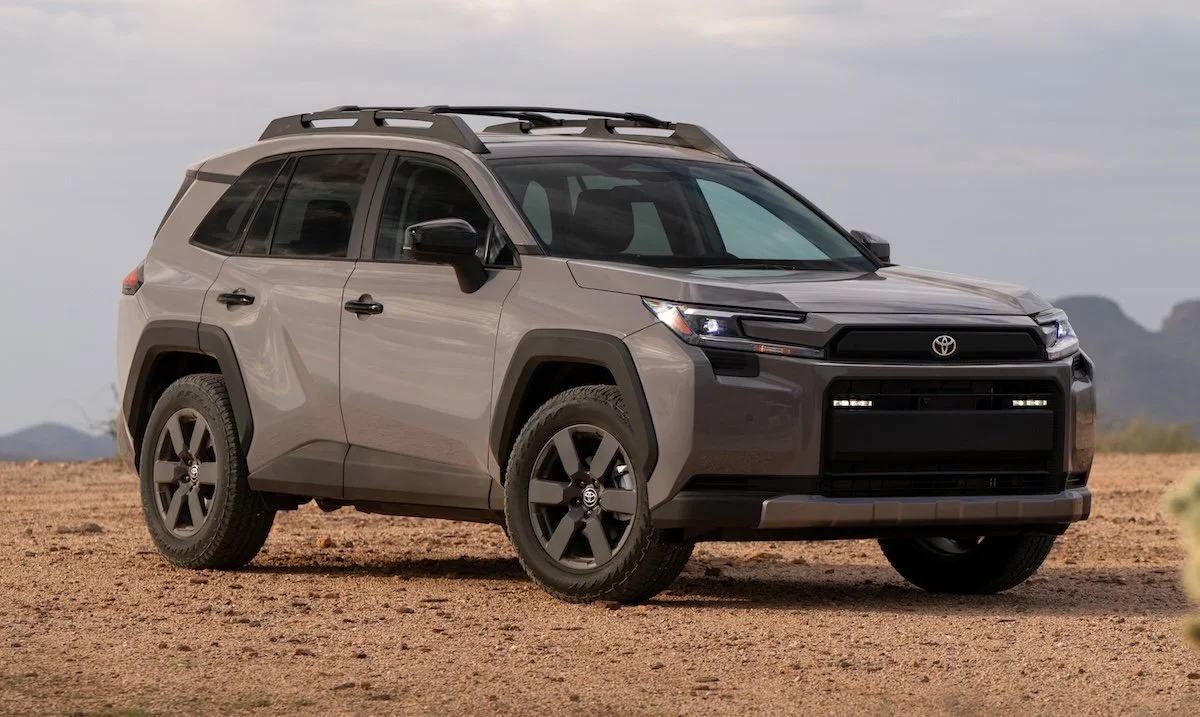
Toyota RAV4 Woodlands (Toyota photo)
“Toyota has the right products, the right powertrain strategy and strong OEM support. Inventory also remains tight in many markets, with days’ supply often below 15 days. … Toyota remains one of the most coveted franchises in the industry.”
Volkswagen
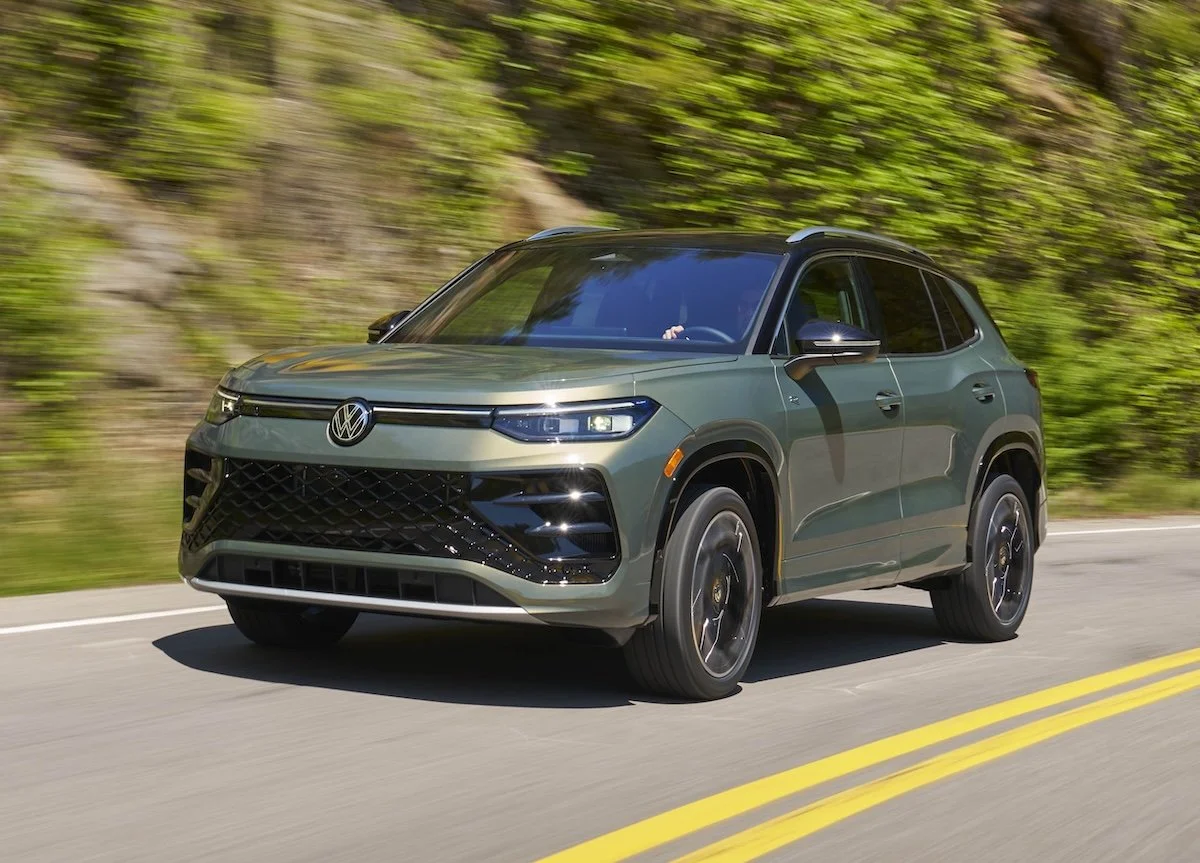
Volkswagen Tiguan SEL R-Line Turbo (VW photo)
“The dealer network is frustrated. Many locations are losing money, and we are hearing that some dealers are closing Volkswagen points and converting the facilities for use by other brands.”
Volvo
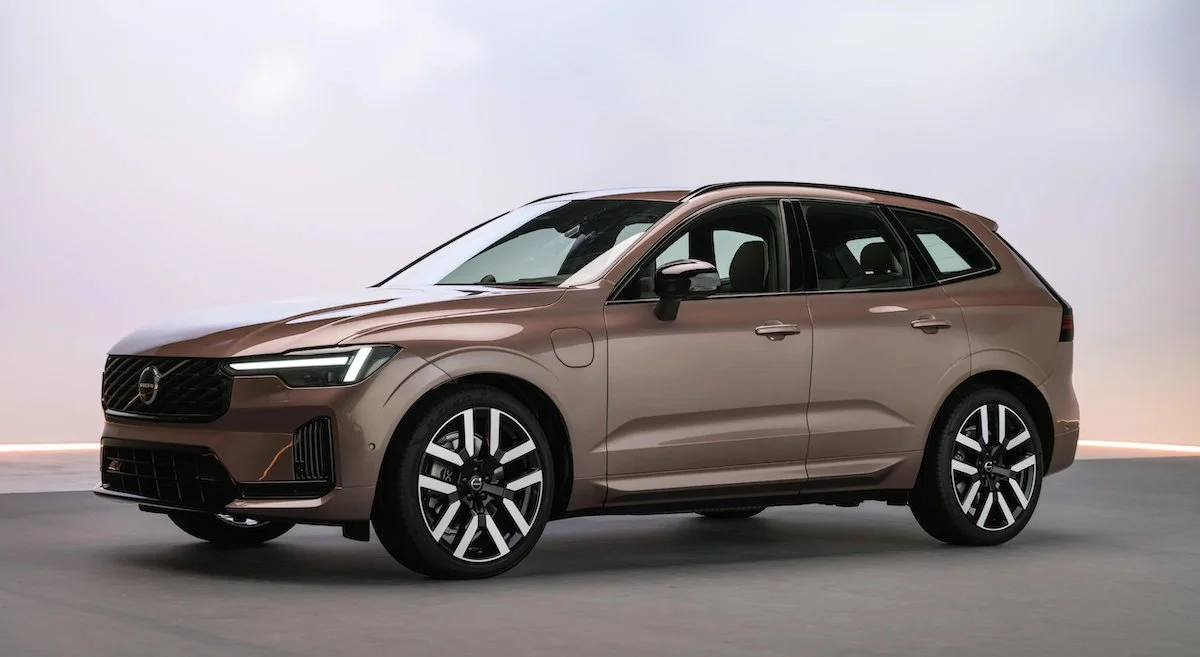
Volvo XC60 (Volvo photo)
“Dealers still like Volvo’s brand identity, but some worry the product cadence has not kept pace with the strongest luxury and near-luxury competitors. ... (and) the franchise is not broadly desirable in every geography.”