After 28 Years, Design Boss Gorden Wagener Leaves Mercedes-Benz
AUTOBLOG

Gorden Wagener (images courtesy of Mercedes-BEnz)
AUTOBLOG
After nearly three decades shaping the look and identity of Mercedes-Benz, Chief Design Officer Gorden Wagener is stepping aside, closing a chapter that helped redefine one of the world’s most storied automakers. Wagener will step down from the role on Jan. 31, 2026, a move the company described in a press release as being made at his own request and by mutual agreement.
"Over many years, he has made a decisive contribution ensuring that our innovative products are synonymous with unique aesthetics worldwide," said Ola Källenius, Chairman of the Board of Management of Mercedes-Benz Group AG, in a press statement. "His creativity and his sense for the future of automotive design have sustainably enriched Mercedes-Benz."
The executive, 56, joined Mercedes in 1997 and has overseen the company’s global design operations since 2008 at the age of 39, becoming the youngest design chief in the industry. His tenure saw him undertake a sweeping transformation of the brand’s visual identity, which he named Sensual Purity. Wagener will be succeeded by Bastian Baudy, who currently leads design for Mercedes’ high-performance AMG division, according to the company.

Bastian Baudy
Wagener’s Tenure
Wagener, who spent 28 years at the company and rose to become its design chief, was more than a stylist. He was a strategic force at a moment when design became a competitive weapon, influencing everything from brand perception to pricing power. His departure raises a familiar question in corporate succession: what happens when a company loses not just an executive, but a point of view?
When Wagener took over Mercedes-Benz design, they were grappling with reconciling the company’s storied engineering heritage and contemporary design expectations. His predecessor, Peter Pfeiffer, had favored a traditional, technically-driven aesthetic, which led to questions about the brand’s resonance with younger, design-conscious buyers.
Wagener’s finest design is widely seen as the AMG GT, which he himself describes as his most enduring work. His expressive Mercedes-Benz concept cars, culminating in the Vision Iconic, previews a design language that will be used on forthcoming 2026 and 2027 models. Whether that aesthetic direction remains intact, or is reworked will be an early test for Mr. Baudy and a closely watched signal of how much strategic continuity the company is willing to risk.
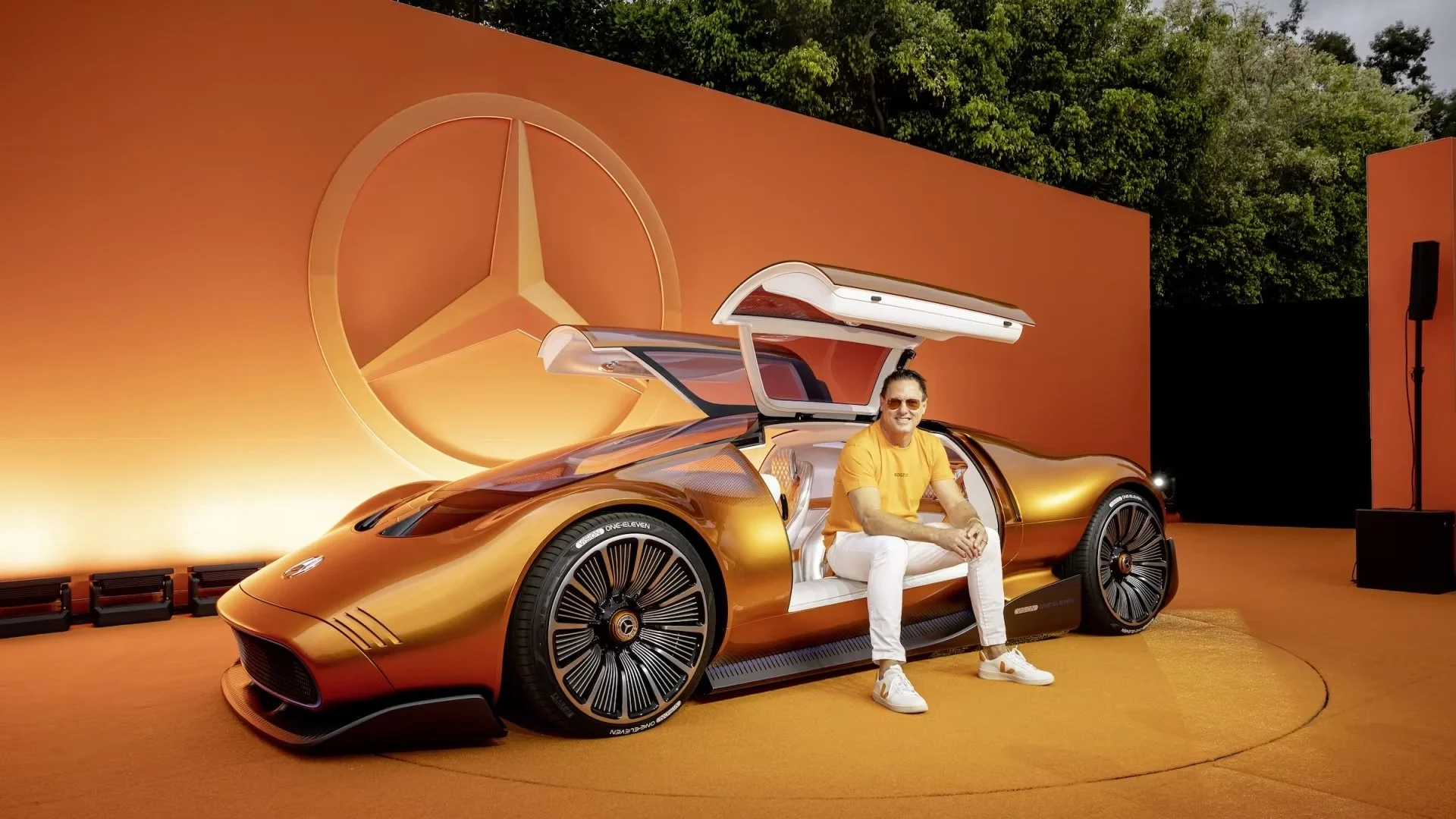
Wagener with the Concept One-Eleven
Design Overreach?
Wagener’s departure follows roughly five years of sustained criticism over the design and market reception of the Mercedes-Benz EQ lineup, a period during which the company struggled to translate its electrification strategy into broad consumer appeal. More recently, concerns have intensified among analysts and dealers over the brand’s pivot toward fashion-forward, high-gloss luxury aesthetics, most notably embodied in the Mercedes-Benz CLA Concept and the Mercedes-Maybach SL 680, a shift some investors view as diluting Mercedes-Benz’s core design identity at a time of heightened competitive pressure and uneven demand.
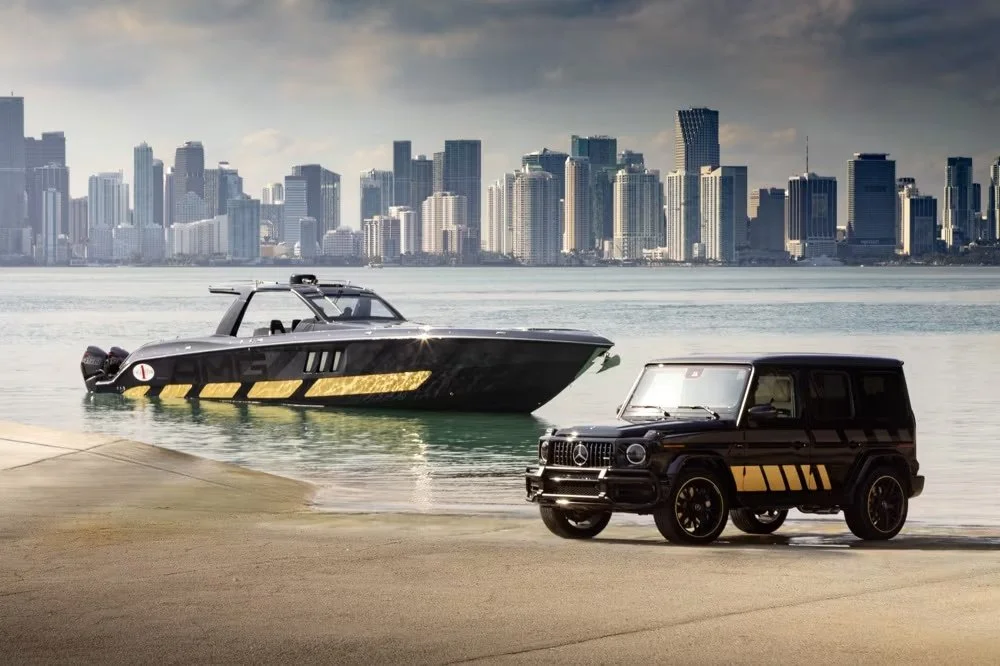
At the same time, Mercedes-Benz Style became a platform for expanding the brand into helicopters, luxury yachts, furniture, and high-end residential projects in Dubai, Miami and other markets. While the initiative reinforced the company’s ambition to position Mercedes-Benz as a luxury lifestyle brand, leading to questions over whether these design efforts distracted from core automotive priorities. Wagener also oversaw a sweeping, centralized redesign of customer-facing touchpoints, from trade show presentations and corporate identity to showrooms and brand centers, consolidating creative control.
Final Thoughts
Mercedes-Benz has experienced a wave of management turnover over the past six months, as several senior members of its Board of Management retired. The company is also part of a broader industry trend in which automakers reassess ambitious design strategies that some stakeholders insist have tested brand boundaries. Mr. Wagener’s departure places him alongside figures such as Gerry McGovern, who left Jaguar Land Rover earlier this year amid reported concerns that design experimentation had outpaced consumer acceptance, although JLR has cited unrelated sexual harassment allegations as the official reason.
The reshuffling is not limited to Europe’s luxury brands. In the United States, Todd Willing assumed the role of Ford Motor Company’s design chief in August 2024, while Bryan Nesbitt took over as head of GM Global Design on July 1, 2025, following the retirement of Michael Simcoe after a 42-year stint. Collectively, these moves underscore a strategic recalibration across the industry, as companies weigh the tension among innovation, brand identity and the risk of overreach in an increasingly unforgiving market.