TRIBUNE NEWS SERVICE
TOKYO – For decades, Honda has built its reputation on quiet consistency, an automaker defined more by precision than by pomp. But at the 2025 Japan Mobility Show, the company revealed just how carefully it’s managing the shift from combustion to computation.
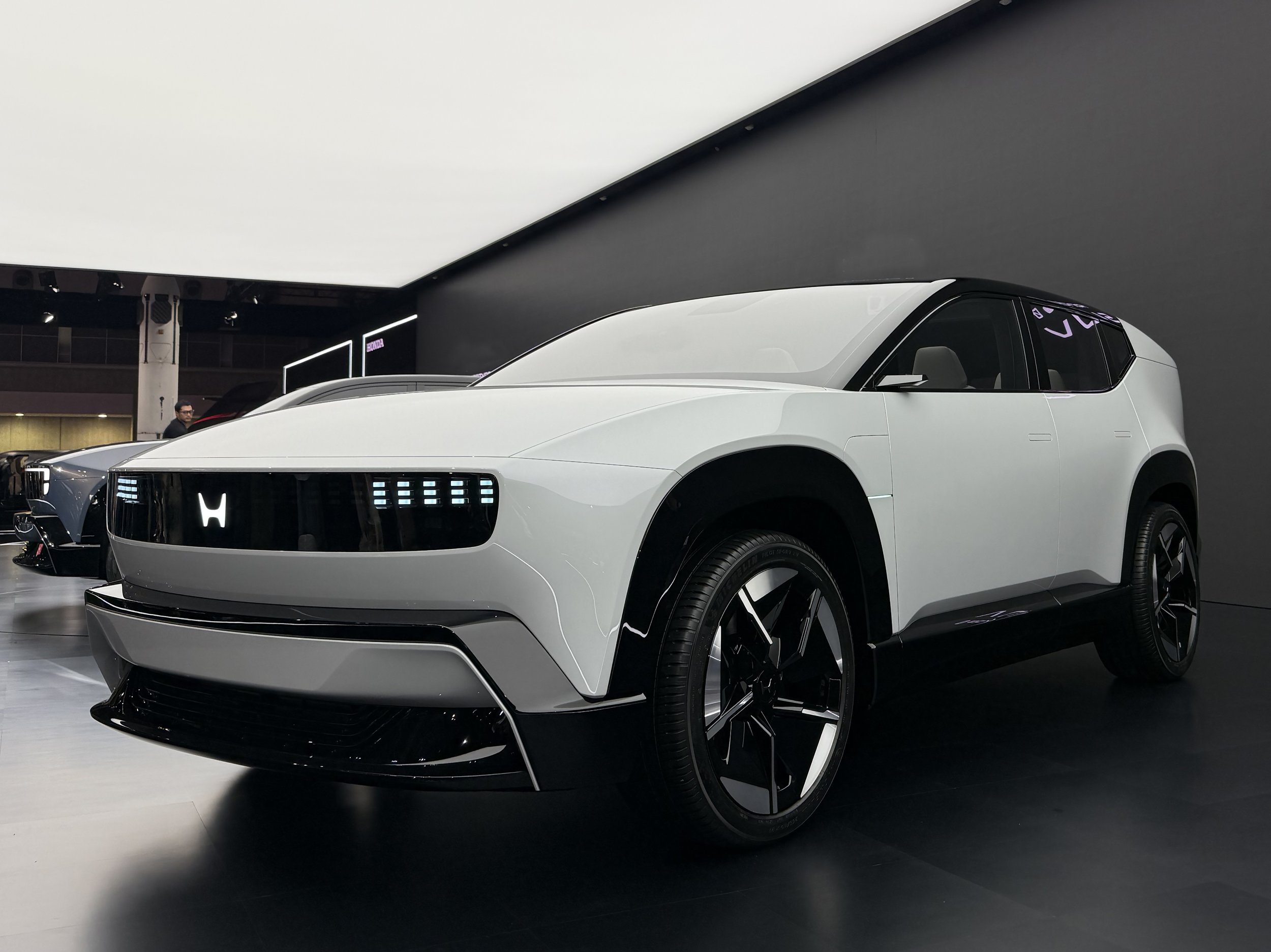
Honda 0 Series SUV at the 2025 Japan Mobility Show. (Larry Printz
At its booth, Honda showcased the next stage of its all-electric future: the Honda 0 Series Saloon and 0 Series SUV, joined by two new concepts — the smaller 0 Series Alpha SUV and the Super-ONE Prototype. Both additions expand the 0 Series lineup first seen at CES earlier this year. But Honda Motor Company CEO Toshihiro Mibe was quick to clarify that the Alpha and Super-ONE won’t be heading to U.S. showrooms. They’re too small to suit American tastes.
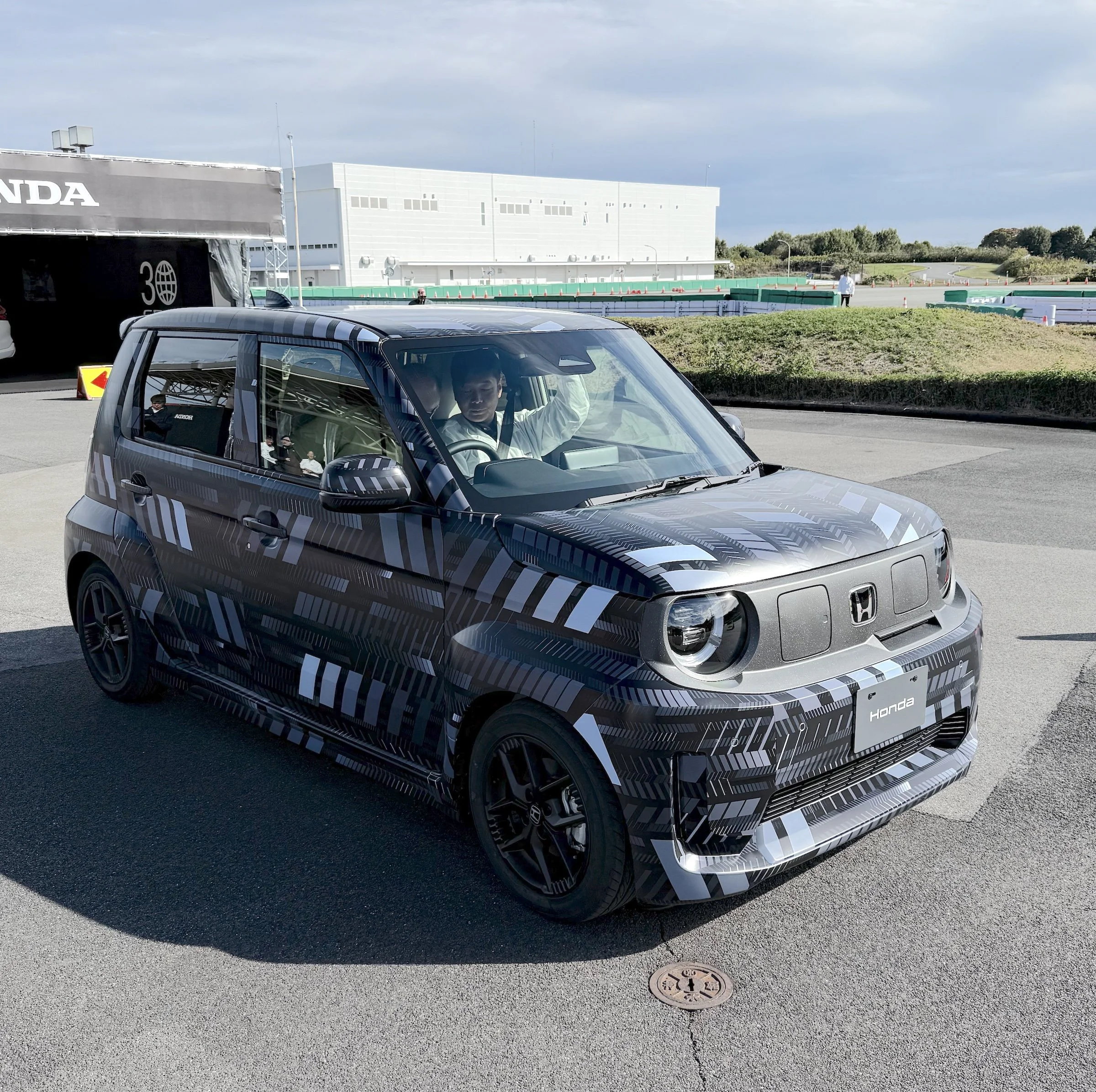
Honda Super-ONE prototype at Honda’s proving grounds in Japan.
(Larry Printz)
Even so, Mibe acknowledges that the real EV battle won’t be won in the luxury arena dominated by Tesla and Lucid, but in the affordable segment below $30,000, a market that’s still underserved. Yet with U.S. federal incentives in flux and the new Trump administration taking a less predictable stance on electrification, Mibe expects a slowdown in EV momentum that will last about five years. That pause is reshaping Honda’s roadmap. While new EVs remain in the pipeline, the company is doubling down on hybrids, with a new generation arriving in 2027 and production expected to more than double by 2030.
Once defined by self-reliance, Honda is increasingly depending on partnerships. Its collaboration with General Motors produced the Honda Prologue and Acura ZDX, both built on GM’s Ultium battery platform. The plan sought to combine forces and cut costs to get electric cars into showrooms ASAP. But somewhere between the spreadsheets and the semiconductors, reality intervened. The real challenge was not the car, but the code, the ghost in the machine. And in case you didn’t know, software costs money. Mountains of it. So, according to Mibe, Honda’s talks with GM continue. Conversations with Nissan, Mitsubishi, and even Sony (!) fill the air. “When it comes to software-defined vehicles,” Mibe muses, “it doesn’t make sense for one company to develop everything.” The old Honda independence is dissolving into a new philosophy: shared strength.
Honda has since opened the door to discussions with Nissan. Mitsubishi, and even Sony, exploring ways to share the immense cost and complexity of software-defined vehicles. The approach marks a cultural shift for Honda, one moving from isolation toward collaboration — what Mibe calls a strategy of “shared strength.”
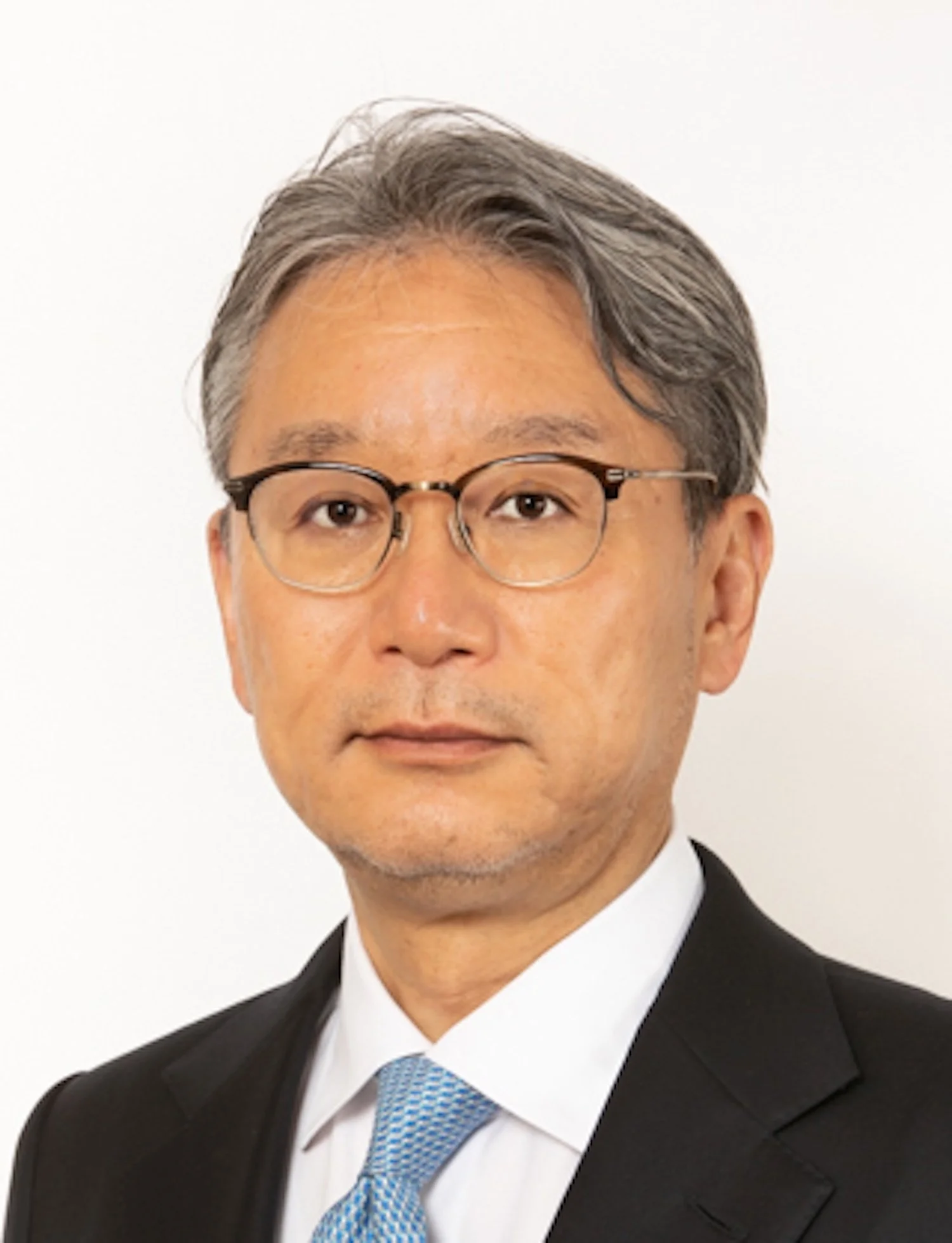
“When it comes to software-defined vehicles, it doesn’t make sense for one company to develop everything.”
– Toshihiro Mibe,
Honda Motors CEO
Still, Honda hasn’t lost its performance DNA. Its partnership with Aston Martin in Formula One continues to bear fruit, keeping the company’s engineering edge alive. And within Honda R&D, several sports car prototypes have already been developed, though market timing remains uncertain. “We have many prototypes already made internally,” Mibe says. “But given this slowing down environmental amplification, it’s hard to decide when to make them available.”
The cars are ready; the world isn’t.
Honda’s vision extends well past four wheels. The Tokyo show stand also featured the EV Outlier Concept motorcycle powered by electric motors in each wheel alongside the HondaJet business aircraft and even a small rocket.
Herein lies the paradox of Honda. It watches while others rush. It under promises, overdelivers, and lets time do its advertising. Many analysts call it conservative. Yet Honda has never been in a hurry, and that’s the point. In a century speeding toward chaos, Honda’s calm may be the last form of rebellion. It believes that restraint is not weakness, but grace. The company that once taught America that small could be mighty now seeks to prove that smart can still be soulful. And somewhere in Tochigi, Japan or Marysville, Ohio, Honda’s next revolution is emerging, steady and sure, as the rest of the world shouts.